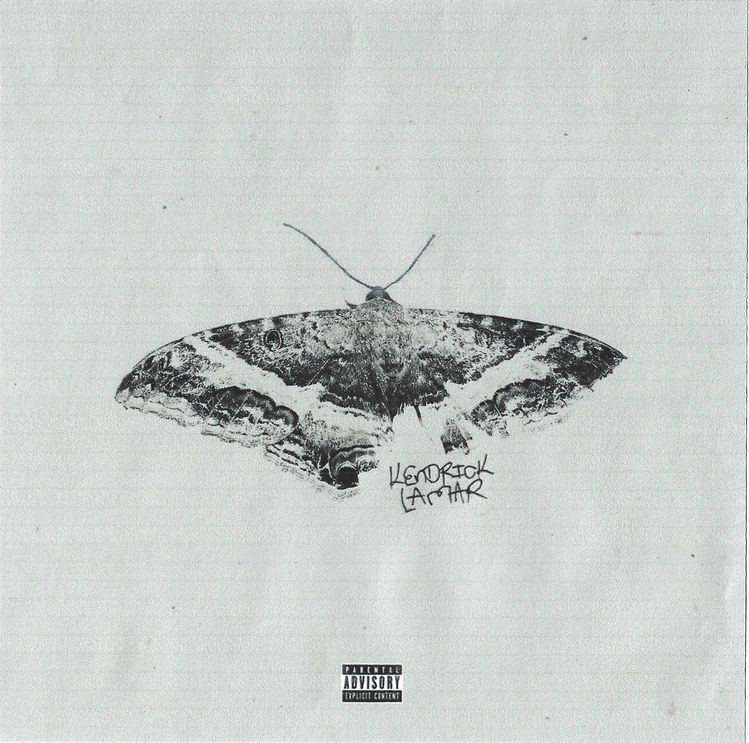
The last song on Kendrick Lamar’s 2015 record, titled To Pimp a Butterfly begins to unfold slowly titled “Mortal Man.” This song is not just merely music meant to be blasted on the radio. But instead, it is rather a deep reflection on trust, identity, and what lasts beyond applause from the general public. What grabs the listeners’ attention within the song? It’s a voice speaking, not singing, laying bare the core truth of everything that came before it. Imagine talking across time paired with a voice that blends with old clips of Tupac, back when he still was alive and making an impact throughout the musical world. These words help form a hidden thread connecting together pain, power, and purpose. It feels like watching someone grow up live, while cities burn in the background. Fame shows up, not shining and beautiful, but worn down by the weight that no trophy could ever make up for. The whole thing hums with something restless and unrelenting. The song is less about answers and more about the questions that are handed forward.
- The Structure: A Hidden Narrative
Snippets of the poem appear after different songs, such as in tracks like “King Kunta” and “Hood Politics.” The gradual reveal throughout the album has meaning within the story. At first, Kendrick isn’t prepared to face everything that the full verse holds. He isn’t ready to grapple with the emotional turmoil that comes with accepting the truth. With each added line comes subtle understanding, shaped by past experiences that came before. A fresh insight arrives time and time again and again, carried on by experience and emotional weight.
When “Mortal Man” finally arrives as the final track, the pieces have already fit together like something lived, not just simply planned. Structure here feels less like articulated design, but more like steady growth, maybe a little uneven, but a continual looping back on itself time and time over. Fame weighs heavily earlier; later, sorrow takes its place without a blatant announcement. Guilt lingers longer than expected, especially when silence follows themes of survival. These themes portray a system built long ago yet still shapes what is happening now. With each turn, understanding shifts slightly and delicately, almost unnoticed. The boy who started is not gone; he’s folded and grown into the man speaking. The past isn’t separate or cut off from the man. It breathes under every line.
- The Allegory: The Caterpillar and the Butterfly
At its heart, the poem uses a clever image, linking a youth raised in tough, forgotten surroundings to a crawling insect amongst the foliage of the ground. Kendrick splits this idea into four parts that flow into one another:
The Caterpillar’s Environment
Trapped in its own little world, the caterpillar barely scrapes by, using whatever it can just to make it through day by day. The ground gives little to the caterpillar, yet it takes so much, feeding off its constant movement, creating a volatile environment in which the caterpillar is trapped. Survival isn’t pretty, it’s slow, messy work that the caterpillar must do simply to go on. From down there, wings look useless, almost foolish to the simple caterpillar. Bright colors? That kind of thing belongs to another life not one of a caterpillar who spends their time on the ground. Floating above doesn’t fit into a mind buried in relentless effort. Freedom seems to be made-up when every step the caterpillar makes just pulls him deeper. What good is flying if you’ve never stopped crawling?
The Institutionalized Mind
Kendrick calls it “institutionalized”, a word he gives the caterpillar’s stiff and narrow way of seeing the world he inhabits. Stuck in being just short of greatness, year after year, thought patterns shift to match the never-ending grind for success. Hope, beauty, victory, these start tasting almost wrong, almost like lies. Too distant. Too clean. Not meant for here. Not meant for you. The track “Institutionalized” digs into that groove even deeper: money changes nothing inside no matter how much you may have. Old reflexes from the past cling and hold on tight. The past helps to guard the present. Wealth eventually arrives, yet the wariness drilled deep during hard times won’t loosen its grip even a little. It stays. It watches. It whispers familiar warnings even when those dangers are no longer around.
The Cocoon Transformation
A change begins when the caterpillar wraps itself inside a tight cocoon. Fame, money, those loud chaotic scenes that surround you, that shell is a mirror to those aspects in Kendrick’s own world. It keeps things out, yes, yet it also brings back nothing but black silence from within. There everything softens, breaks down, the past melting into nothingness. That phase? Heavy thoughts, sinking low, staring hard at mistakes made, is shown baren in the track called “u”. Only after facing that mess did clarity start forming within the mind. Growth waited on the far side of the wreckage after the dirty work had already been done.
The Butterfly’s Wings
A winged creature now, once slow and low to the ground. Talent was there all along, hidden inside the caterpillar he just never could see it. Thoughtful design built into its form, steady, strong, and now lifted, no more crawling through dirt or the mud. Seeing everything different from up high. But sadness remains regardless. Those below remain tied to the earth just as the caterpillar once did. A sharp ache pulls the former caterpillar back down towards them. Wanting to say: look how wide it opens, this life. Yet those still stuck do not trust the brightness. They mutter about betrayal. Light becomes suspicion rather than salvation.
III. The Conversation with Tupac
Reading the poem about the caterpillar to Tupac Shakur towards the end of the song stands out as a defining moment in the song while also in hip-hop’s journey. Tupac became the butterfly of the nineties, that sharp, fearless, speaking truth while walking between street corners and recording booths. Yet pressure from his surroundings, along with sudden stardom, pulled him under in the end and only led to his demise.
Calling out to Tupac, Kendrick reaches for guidance he never got in life. As the last line fades, his repeated cries of “Pac? Pac? Pac!” hang in the air. That quiet after is deep and heavy, it’s where answers stop completely. Though echoes of those who came before may point the way subtlety, they cannot walk it. A shift happens then: reliance gives way to resolve. Each new voice, like a butterfly mid-gale, learns balance even without the presence of a hand to hold.
- Real-World Implications: Systemic Neglect and the Poverty Trap
Out in the streets, where the pavement cracks split like old scars, someone scribbles lines about hunger wearing an all too human face. This isn’t just sadness dressed up in metaphor, no, it points at choices made behind closed doors while others freeze out on stoops. Picture a child raised in smoke and silence; that setting doesn’t happen just by chance alone. Someone built those walls without windows, turned away when help was asked for. The poem drags these truths out into the streetlights glare, naming what polite talk constantly ignores. System after system looked elsewhere, then called it fate and left the people to scrouge for livelihood.
The Government Looks Away
It begins with silence. The state sees hardship yet looks away, giving scraps so folks survive but never rise above from where they were born. Where trees once shaded playgrounds, cracked pavement spread because learning spaces slowly vanish too. Folks hustle through broken systems simply to feed themselves and their families. Without real support, growth stalls before it even starts. A child dreams under streetlights instead of stars. What could change stays buried beneath the ground. Wings never form when the world stomps the caterpillars out.
The “Hardened” Environment
Seeing neglect around them shapes how kids feel inside and shapes the mentality they carry with them throughout their life. Through eyes trained on what’s missing, their potential gets crushed all too soon. A single slip becomes a life sentence without backup systems nearby to save them. What blocks progress isn’t skill, Kendricks’ words remind us, it’s missing care when it’s needed most.
- The Final Lesson: Unity and Self-Love
The truth settles in near the end; peace grows when people stop dividing themselves. Kendrick sees the caterpillar, then the butterfly, not as foes but as phases of one single journey. One turns into the other, like breath after the silence.
Out here, young people hustle hard, using whatever’s at hand to try and pull themselves up. That drive? It’s like a caterpillar, focused only on moving forward. Survival shapes how they act each and every day. They adapt without thinking about it. This stage isn’t pretty, but it pushes true growth.
Freedom finds its voice in the butterfly, a symbol of awakening through true beauty. Wings carry more than just flight; they trace the journey of creation now unbound. Lightness follows where art once struggled to rise and break through the cracks in the ground. This creature moves beyond any limits, shaped by changing others’ fear. Its presence speaks without sound, echoing liberation brutually earned.
From below, change begins when those who’ve risen choose to finally speak up. Kendrick says the butterfly must come back through the soil, bringing truth to those still crawling along the ground. That idea lives in the record’s name, “To Pimp a Butterfly.” Using your wings not just to escape but to serve becomes an act of duty. Instead of vanishing into open skies, real power shows when you circle back around and help those around you.
The Weight of the Message
That poem called “Mortal Man” does way more than close an album with flair and experimentation, it stands on its own as sharp literature and quiet social observation. A living image, like transformation in nature, lets Kendrick show how hard it is to break free from the system without losing yourself entirely. Few songs cut so deep into memory, marking his words less as a voice on beats, but more as someone laying out the truth of lives too often unseen by the public eye.