The Virtuoso Behind the Legend
People usually call Prince the complete musician. He was a dazzling performer, writing tons of songs while mastering a multitude of instruments, on his first record every single sound came from him alone across twenty-seven different instruments. His voice shifted like shapes in smoke, fitting any style it touched. Yet somehow that whirlwind of talent hid behind what made him truly rare: fingers on a guitar unlike anyone else’s, inventing new ways to make it speak in ways no ear had ever heard.
A figure like Prince comes around maybe once every hundred years. He matched Jimi Hendrix when it came to wild, mind-bending sound. His flow felt just as smooth as Carlos Santana’s guitar lines. Even Eddie Van Halen’s blazing speed had its echo in him. What drove that intensity? Ideas about creation, expression, life itself shaped his art. Technique alone does not explain what he left behind. Music wasn’t something he did, it was how he existed. Right up to the last moment, notes flowed through everything he was.
Sound takes shape in ways that had crossed old lines. Where one kind ends, another would begin, only to blend right back in. Skill alone shows not in flash but in choices. Each layer fits within one another without announcing itself. Structure matters more than labels ever could. What counts is how it holds together when pulled apart
Not many played like him back then. Instead of copying rock stars who showed off on guitar, he did his own thing. Others split between loud metal players and cool new wave types. He slipped through all those labels without trying. Nobody else could fit everywhere at once.
I. The Foundation
Prince played guitar like it was meant to be felt more than heard. Not just chords but hits, quick jabs shaped by how James Brown’s players used their instruments, especially Jimmy Nolen’s sharp attack. Sly Stone’s wild grooves also left marks on his approach. Instead of filling air with sound, he let silence shape the beat. His hand moved fast, locked into tiny pulses, sixteen per bar, hitting off the expected path. Songs such as “Kiss” ride entirely on that timing. Even “Sexy M.F.” leans hard on those clipped bursts. Then there’s “Just My Imagination,” where gaps speak louder than noise. That empty stretch? It wasn’t absence, it was all part of the groove. What came out became known as the Minneapolis Sound, built less on melody and more on when things didn’t happen.
The Hendrix Connection Meets Psychedelic Blues
Out of nowhere, sound ripped through the air when Prince took the lead. With power like Jimi Hendrix drenched in wild feedback, yet sharp as today’s distortion, he carved space no one saw coming. The long cut of Let’s Go Crazy holds proof, as notes spiral fast down the neck using tapping madness, then drop low with violent whammy dives. Most skilled pickers forget soul, but not him. Each phrase sang back like a voice cracked open, yelling, begging, even spiraling through chords.
II. The One-of-a-Lifetime Musician: A Relentless Creative Force
What made Prince remarkable wasn’t only the sound, it was how much music lived inside one person. Not merely someone who played instruments, he functioned like an entire world of sound on his own.
The Studio Wizard
One day bled into the next when he worked. Locked inside studios, he’d build whole songs extremely fast, drums first, then bass, keys piling on, ending with a guitar cry, all being done before sunrise. Those who ran the boards in the studio said he already heard every part playing, even while silence hung in the room. That gift, knowing how each piece fits without trial, is particularly rare. Only names like Mozart or Ellington ever carried it with them.
Playing Many Instruments Like Speaking
What stands out about his playing isn’t just technique, it’s his mindset. A rhythm manufacturer shaping melodies, just like someone who hears beats in chords. Knowing each role in the band let him place notes exactly where they cut through or blend. Not just filling space but designing it meticulously. The guitar didn’t follow the song, it held it up, then soared above it.
III. The Tools of the Trade: Iconic Gear
Picking a guitar wasn’t about tradition for him. His sound came first, and it always had its own rules. His music and art fit who he was, not what others played.
A favorite among fans, the MadCat, actually a Hohner Telecaster made in Japan, took center stage in both recordings and live shows. Bright and sharp in sound, it cut through mixes just right when he played rhythmic patterns hard and fast. That punchy voice? Ideal for driving beats with a gritty edge.
Shaped for the movie Purple Rain, the Cloud Guitar wore flowing lines that echoed Prince’s gender-blurring style. Not just a sculpture alone, its frame carried sound meant to stretch high and linger. Crafted with care, it balanced beauty and function without tipping into showiness.
That odd sign, his new name, became real when he had a golden guitar built to match. Hard to hold, awkward on stage, most would’ve ditched it fast. He didn’t. Instead, he leaned into the weight, turned tension into sound. During the nineties, while others softened, he used that instrument to slash through songs with raw force. Shape meant something only he could use right.
IV. The Super Bowl and the Hall of Fame: Defining Moments
It’s usually two particular shows people point to when they want to show off Prince’s skills on guitar to those who never dug into his lesser-known tracks.
The 2004 Rock and Roll Hall of Fame
Out of the dark, Prince waited while others played. Halfway through the song, he moved into the light. His fingers danced across the fretboard like they knew secrets. Instead of flash, there was feeling in every note. The crowd didn’t and couldn’t expect what came next. A slow bend rose into a scream, then fell quiet again. Time slowed when he hit that peak. Up went the guitar, flying toward the ceiling. Nobody saw where it landed. That moment had made clear who truly owned the stage. Fame didn’t bring him power, it was pure skill, silent until called upon.
Super Bowl XLI 2007
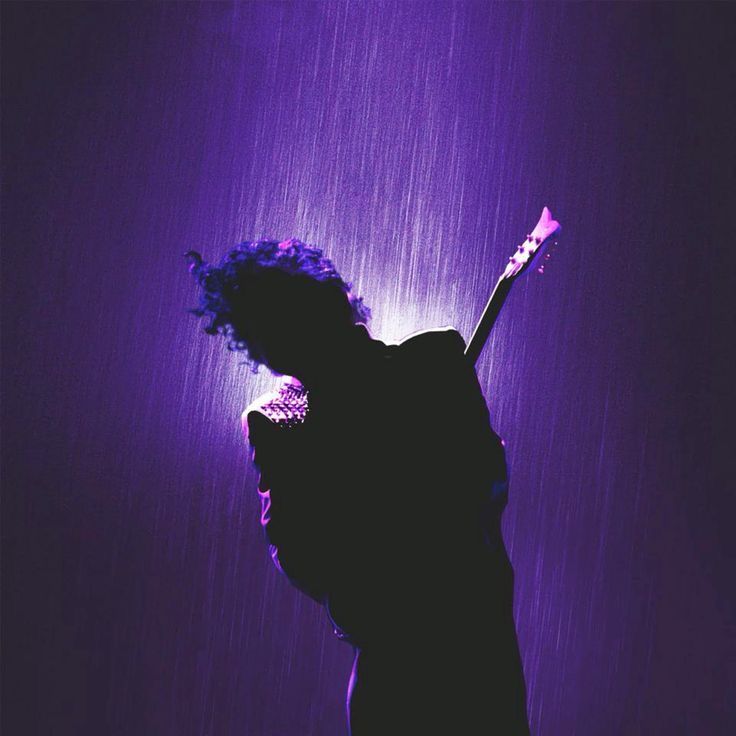
Few moments match it. Rain falling hard, Prince stood center stage, playing “Purple Rain” like no one had before. A storm raged, yet his guitar sang, sharp, raw, unshaken by the danger nearby. Lit only in violet, his shape cut through sheets of water, bending notes into cries. That image alone, him, drenched, focused, loud, still lingers, years after the sky opened up on that Sunday.
V. The Legacy: An Unreproducible Blueprint
Still shaping how guitars are played today, Prince mattered more than most realize. Not due to copycats, who few match his mix of fast leads and tight rhythms. It was his boldness that stuck around. A pop figure who commanded respect as a player, he showed musicians that it’s okay to take risks. Flashy? Yes. Skilled? Absolutely. That combination opened doors previously closed.
Out front, players such as H.E.R., St. Vincent, and Gary Clark Jr. keep alive what Prince lived by, their strings speak tales, punch rhythm, pour out feeling. Not held back by old lines, he redefined who could own the electric roar, pulling rock back into his hands while wiring it to synthetic soundscapes yet to come.
Final Thoughts
Onstage, Prince breathed life into music through his guitar more than anything else. Not merely plucking notes, he took full control of every sound and decibel. From dim midnight gigs to massive arenas packed with tens of thousands, his presence stayed unmatched, raw skill touching something beyond mere a performance. Singing and movement brought fame. The axe turned him into myth. Still today, few can match that blend of craft and fire. One rare soul whose riffs outlive time itself.